Riyadh Weather Guide: Climate, Temperatures & Travel Tips
Updated: August 20, 2025
The Riyadh weather is best characterized by its two distinct seasons: an intensely hot, dry summer and a mild, pleasant winter. Whether you're traveling for business, leisure, or cultural exploration, knowing when to visit, what to expect, and how to prepare for the weather can significantly enhance your experience.
This guide provides an in-depth look at Riyadh's weather, including details on its seasons, temperature fluctuations, and tips for handling the extreme heat.
 Aerial view of Riyadh on a clear day
Riyadh's Climate Overview
Riyadh’s climate is classified as a hot desert climate. This means that the city experiences long, extremely hot summers and mild, cooler winters.
Summer in Riyadh: Scorching Hot
Summers in Riyadh are intense, with daytime temperatures frequently exceeding 40°C (104°F), and sometimes reaching 50°C (122°F) in the hottest months of June, July, and August. The heat is extremely dry, though dust and wind can make the afternoons feel harsh.
Daytime temperatures during summer can rise well above 40°C.
The night temperatures are cooler but still remain above 25°C.
Winter in Riyadh: Mild and Pleasant
On the flip side, winter in Riyadh (from November to February) is much more temperate, making it a better time for tourists to visit. Daytime temperatures range from 20°C (68°F) to 25°C (77°F), while the evenings can be chilly, dipping down to 10°C (50°F) or lower. The cool evenings offer a pleasant respite from the daytime heat.
Daytime temperatures are comfortable for outdoor activities.
Night temperatures can drop significantly, requiring a light jacket or sweater.
Riyadh's Spring and Fall: Ideal for Outdoor Activities
Riyadh experiences two transitional seasons between the extreme heat of summer and the cooler temperatures of winter: spring (March to May) and fall (September to November). These months offer more moderate temperatures, making it the best time for outdoor activities, sightseeing, and enjoying Riyadh’s cultural offerings.
Spring (March to May)
During spring, Riyadh sees temperatures averaging around 25°C (77°F) to 35°C (95°F), making it more comfortable than summer but still warm.
Spring nights remain mild, with temperatures ranging from 15°C (59°F) to 20°C (68°F).
Spring can also bring occasional dust storms in Riyadh, which is typical of desert regions. These storms can reduce visibility, so it’s important to check the weather forecasts before heading outdoors during windy days.
Fall (September to November)
Fall weather in Riyadh is similar to spring, with comfortable temperatures between 20°C (68°F) and 35°C (95°F).
Fall brings less risk of sandstorms, but it can still get hot during the day, especially in September.
By late October and November, the city experiences cooler evenings and pleasant daytime temperatures, making it an excellent time for outdoor festivals and cultural events.
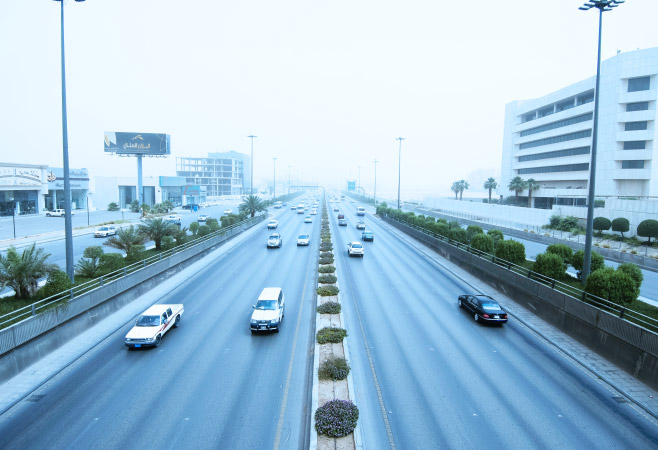 Dust clouds rising during a sandstorm in Riyadh
Sandstorms and Air Quality in Riyadh
Due to Riyadh's location in the desert, sandstorms are a regular occurrence, especially during the transitional seasons of spring and fall. These storms are caused by strong winds that blow sand and dust into the air, reducing visibility and causing poor air quality.
When Do Sandstorms Occur?
Sandstorms are most common in spring and fall, though they can happen at any time of the year.
These storms typically occur in the afternoon or early evening when winds are stronger.
Impact on Air Quality
Sandstorms can reduce air quality, making it difficult for people with respiratory issues to breathe. It's advisable to stay indoors during a sandstorm or wear a face mask if you're heading outside.
After a sandstorm, air quality improves significantly, but the dust may linger for a while.
During your stay in Riyadh, it’s essential to stay informed about local weather conditions, particularly sandstorms. Checking forecasts will help you plan your day and avoid outdoor activities during stormy conditions.
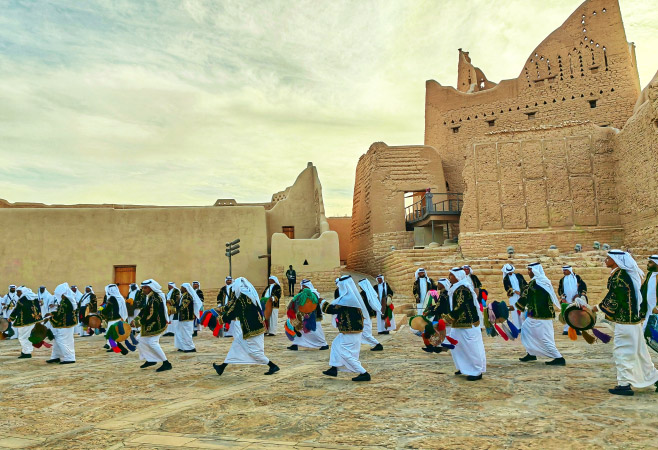 Choosing good weather for your Riyadh visit lets you enjoy more outdoor activities across the city
Best Time to Visit Riyadh
The best time to visit Riyadh is during the winter (from November to February) or the transitional seasons (spring and fall). These months offer comfortable temperatures for sightseeing and exploring the city.
Winter months provide the most comfortable weather, with mild temperatures and clear skies.
Spring and fall offer moderate temperatures, ideal for outdoor adventures, but with a higher chance of dust storms.
If you're looking to avoid the extreme heat, steer clear of the summer months, as temperatures can become dangerous, especially for outdoor activities.
How to Prepare for Riyadh’s Weather
If you're planning to visit Riyadh, here are a few tips to help you stay comfortable:
- Clothing: Wear light, loose-fitting clothing during the day to stay cool. However, you may need to layer up in the evenings, especially during the cooler months.
- Sun Protection: Always wear sunscreen, sunglasses, and a hat to protect yourself from the strong sun, especially if you’re outdoors.
- Hydration: The hot climate can lead to dehydration, so it’s important to drink plenty of water throughout the day.
- Footwear: Comfortable shoes are essential for walking, especially in areas with uneven terrain, such as desert excursions or city explorations.
 Riyadh streets under a clear, sunny sky—a typical day in the capital
FAQs About Riyadh Weather
When is the best time to visit Riyadh?
The best time to visit Riyadh is during the winter (November to February) or the transitional seasons (spring and fall), when the weather is cooler and more comfortable for outdoor activities.
Is it safe to visit Riyadh in summer?
While it’s safe to visit Riyadh in the summer, the temperatures can be extremely hot, often exceeding 40°C (104°F). Be prepared for intense heat and try to stay indoors during the hottest parts of the day.
Do sandstorms affect the weather in Riyadh?
Yes, sandstorms can affect Riyadh's weather, particularly during the spring and fall. These storms can reduce visibility and air quality, so it's important to stay informed and avoid outdoor activities when one is expected.
What is the temperature like in Riyadh during winter?
Winter temperatures in Riyadh are mild, ranging from 20°C (68°F) to 25°C (77°F) during the day, with cooler evenings that can drop to 10°C (50°F) or lower.
How do I prepare for a sandstorm in Riyadh?
During a sandstorm, it’s best to stay indoors or wear a face mask to protect your respiratory system. Always check the weather forecast and plan indoor activities if a sandstorm is predicted.
Does Riyadh experience any rainfall?
Riyadh receives very little rainfall, with most precipitation occurring in winter. Most rainfall occurs between November and April, with spring (March–April) seeing the heaviest and most frequent showers.
What is the weather like in Riyadh during spring?
Spring in Riyadh is mild, with temperatures ranging from 25°C (77°F) to 35°C (95°F). It is one of the best times to visit, but there’s a chance of dust storms.
What is the average Riyadh temperature?
The average annual temperature is around 27–28°C (81–82°F).
Does it ever rain in Riyadh?
Yes, but very rarely. The rainy season is from November to April, but rainfall is minimal and often comes in short, heavy bursts.
Is it too hot to visit in summer?
For most people, yes. It's not the ideal time for outdoor tourism, but if you're prepared to focus on indoor activities, it can still be a great trip.
What's the coldest time of year in Riyadh?
The coldest months are December and January, with average lows around 8°C (46°F), but occasionally temperatures can drop close to 0°C on the coldest nights and highs around 20°C (68°F).
Do I need to worry about sandstorms?
Sandstorms are a possibility, especially in March and April. They are usually short-lived and will affect visibility and air quality for a few hours.
Is the humidity high in Riyadh?
No, the humidity is very low, which is a defining characteristic of the desert climate.
What are the most comfortable months?
The most comfortable months are November, December, January, and February.
Is Riyadh's weather different from other parts of Saudi Arabia?
Yes, coastal cities like Jeddah are much more humid, while mountain cities like Abha are cooler and receive more rainfall. Riyadh's weather is typical of an interior desert city.
Conclusion
Understanding Riyadh's weather is key to having a comfortable and enjoyable visit. The best time to visit is during the cooler winter months or the transitional seasons of spring and fall, when the city offers more moderate temperatures and pleasant outdoor conditions.