Saudi Arabia Travel Rules and Laws
Updated: November 13, 2025
If you're planning a trip to Saudi Arabia, it’s wise to be informed not only about the attractions and itineraries, but also about the laws, customs, and regulations that will affect your stay.
Saudi Arabia is undergoing social and legal reforms as part of its Vision 2030 initiative, but it remains a country rooted in Islamic law (Sharia) and traditional norms. Below is a detailed guide to “Saudi Arabia Laws for Tourists”, tailored for travelers who want to visit responsibly and avoid surprises.
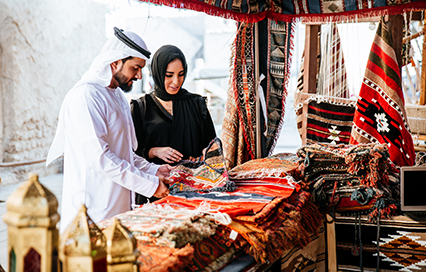
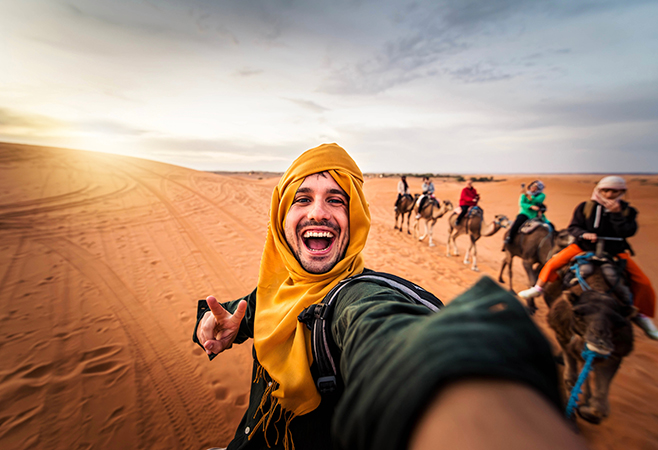 Tourists exploring Saudi Arabia while following Saudi Arabia’s cultural dress code and public behavior guidelines
Visa & Entry Rules
e-Visa / Tourist Visa
Saudi Arabia has offered a tourist e-visa / visa on arrival regime for nationals of many countries. The tourist visa is typically valid for 1 year (multiple entries) and allows stays of up to 90 days (unless otherwise specified). Some visas may be issued with shorter validity (e.g., 30-day single-entry) depending on your nationality.
You need a passport valid for at least 6 months from the date of entry. The visa is intended for tourism, leisure, events, family visits, and Umrah (but not Hajj) or work or study. Some travelers may also be eligible to get a visa on arrival — for instance, if they hold certain visas or residence permits in countries like the U.S., UK, or EU.
Be careful not to overstay. Overstaying can lead to fines, detention, or deportation.
Umrah & Religious Visits
Visitors holding a valid Saudi visa (tourist, business, or family visit) may perform Umrah during the permitted season, provided their visa remains valid and entry is through approved routes, expanding access to pilgrims. For Umrah, authorities may now require hotel and transport pre-booking before granting the visa.
Customs and Prohibited Items
Saudi customs are strict to uphold Islamic principles. Prohibited items include:
- Alcohol and pork products: Importing, possessing, or consuming alcohol is illegal, with penalties including fines, flogging, imprisonment, or deportation.
- Drugs and narcotics: This includes marijuana and paraphernalia. Penalties are severe—up to death for trafficking.
- Obscene or pornographic materials: Books, magazines, videos, or devices with suggestive content may be confiscated.
- Weapons, gambling items, and non-Islamic religious materials: Bibles or crosses for personal use are generally allowed but not for public display.
- Drones: Require prior approval from the General Authority for Civil Aviation.
- Electronic devices may be inspected, and censored media could be seized. Pets need veterinary certificates and approvals. Violating customs can result in arrest—always declare questionable items.
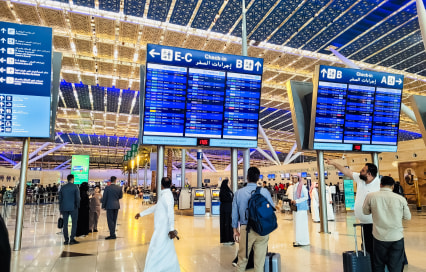
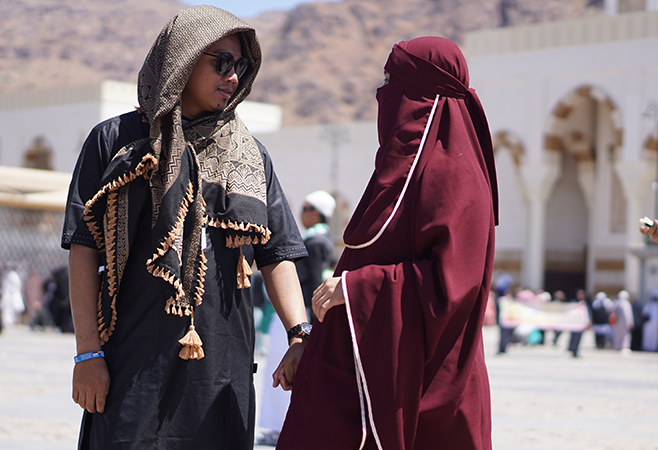 Tourists respectfully follow Saudi Arabia’s dress code and public conduct rules
Public Behavior & Decency Laws
Saudi Arabia has a Public Decency Code formalized to help tourists and residents know what behaviors are unacceptable in public. Here are important rules and social norms to keep in mind:
Dress Code & Modesty
Dress modestly. Clothing should not be tight, transparent, or overly revealing.
For women: While some restrictions have relaxed, it's recommended to carry a headscarf (hijab) (especially when entering mosques). Some women choose to wear an abaya (loose outer garment).
Men should avoid wearing sleeveless shirts in public and avoid shorts in conservative areas.
Public Display of Affection
Romantic public displays (kissing, hugging) are frowned upon and may lead to warnings or fines.
During the Muslim prayer times, public spaces close or suspend certain activities, and music is often turned off in public places.
Photography & Privacy
Avoid photographing military, police, government, or critical infrastructure installations.
Don’t take photos of locals, especially women, without their permission.
Some public spaces prohibit filming without prior approval.
Speech, Religion & Criticism
Criticism of the royal family, government, or Islam is illegal, even on social media.
Proselytizing (outreach or public preaching) of non-Islamic religions is forbidden.
Private practice of other religions is tolerated (for example, personal reading of non-Islamic scriptures), but public religious displays are prohibited.
Alcohol, Drugs, and Health Regulations
Alcohol is completely banned—no exceptions for tourists. Possession can lead to severe punishment. Drugs carry even harsher penalties, including execution for smuggling.
For health, no specific vaccinations are required for tourists beyond standard ones, but check for meningitis if visiting during Hajj. HIV/AIDS testing is mandatory for work/residency visas, but not for tourists. Travel insurance covering medical evacuation is essential, as care varies and costs can be high.
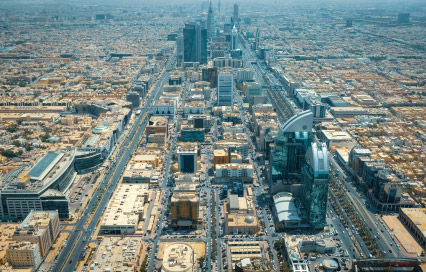
 Tourists should follow Saudi Arabia’s driving laws and license requirements
Driving and Transportation Laws
Driving in Saudi Arabia is challenging due to aggressive traffic and high speeds. A valid international or U.S. driver's license allows rental car use for up to 90 days. Women have been permitted to drive since 2018. Seatbelts are mandatory, and in accidents, stay at the scene and call police (993).
Use ride-hailing apps like Uber for safety; avoid unlicensed taxis. Public transport is improving, but is limited outside cities.
FAQs About Saudi Arabia Laws for Tourists
Is Saudi Arabia Safe for Tourists?
Saudi Arabia is generally safe for tourists in major cities like Riyadh, Jeddah, and tourist sites such as AlUla and the Red Sea coast, with low rates of petty crime and a strong police presence.
However, risks include terrorism (Level 2 advisory: Exercise Increased Caution), occasional drone/missile incidents near the Yemen border (avoid areas within 20 miles), and civil unrest in eastern provinces. Stick to tourist zones, use registered transport, and monitor local news.
Women and solo travelers report feeling secure in public, but always have a plan for emergencies—dial 999 for police or 997 for ambulance. Travel insurance with evacuation coverage is recommended.
What Are the Laws in Saudi Arabia for Foreigners?
Foreigners, including tourists, must follow Sharia-based laws alongside civil regulations. Key ones include:
- Visa rules: eVisa for most (up to 90 days); Overstaying a visa can lead to fines up to 50,000 SAR (≈ USD 13,300), detention, and deportation, depending on the duration and severity of the violation.
- Dress code: Modest attire required in public; abayas are optional for women but advised in conservative areas.
- No PDA or extramarital relations: Cohabitation outside marriage is technically illegal under Saudi law, but foreign couples are generally not required to show marriage certificates at hotels and are rarely prosecuted unless involved in other offenses.
- Customs: Declare cash over 60,000 SAR; ban on alcohol, pork, drugs, and drones without approval.
- Religious restrictions: No public non-Islamic worship; private prayer is fine.
- Cyber laws: Anti-government posts can lead to up to 45 years in prison.
- Driving: International license valid for 90 days; women can drive.
- Laws apply equally to all, but tourists get leniency for cultural ignorance if addressed promptly. Carry your passport at all times.
Can Tourists Drink Alcohol in Saudi Arabia?
No, alcohol is strictly prohibited for everyone, including tourists. Importing, possessing, selling, or consuming it—even in private hotels or residences—is illegal under Sharia law. Penalties include fines up to 50,000 SAR, imprisonment (up to 6 months for possession), flogging, deportation, or worse for repeat offenses. There are no exceptions or "tourist zones" for alcohol. Stick to non-alcoholic beverages like mocktails, which are widely available.
What Are Saudi Arabia's LGBT Laws for Tourists?
Same-sex relations are criminalized under Sharia as "debauchery," with penalties ranging from fines and imprisonment (up to 7 years) to flogging or execution in extreme cases like public acts.
Cross-dressing or "imitating the opposite sex" can lead to arrest.
Discretion is crucial—avoid PDA, pride symbols, or dating apps in public. Private consensual acts are rarely prosecuted for tourists, but raids occur.
 Get your Saudi e-Visa ready and start your journey to explore this beautiful country.
Saudi Arabia Punishment for Tourists
Punishments for tourists mirror those for locals, but can include swift deportation for minor infractions. Common ones:
- Fines: 500–50,000 SAR for dress code violations, overstays, or traffic offenses.
- Imprisonment: 1 month to life for drugs, alcohol, or cybercrimes.
- Corporal punishment such as flogging has been largely abolished and replaced by imprisonment or fines, though harsh penalties still exist under Sharia for serious offenses
- Deportation/Bans: Immediate exit and 5–10 year re-entry prohibition for serious breaches.
- The death penalty remains in Saudi law for severe crimes such as large-scale drug trafficking or terrorism, though it is extremely rare for tourists.
- Courts move fast—detention without bail is common. Ignorance isn't always a defense, but embassies can advocate.
In summary, Saudi Arabia welcomes tourists with more streamlined visa processes and relaxed regulations but expects visitors to respect its cultural norms, legal requirements, and health protocols for a safe and enjoyable visit.