Ramadan Rules for Foreigners in Saudi Arabia: Do’s and Don’ts
Updated: November 24, 2025
Ramadan is the holiest month in the Islamic calendar, and experiencing it in the Kingdom of Saudi Arabia is a unique and profound opportunity. For foreign visitors, whether for tourism, business, or Umrah, understanding the local customs and regulations is essential for a respectful and smooth journey.
This guide about Ramadan rules for foreigners in Saudi Arabia, that provides clear, practical information on the rules, etiquette, and practicalities for foreigners in Saudi Arabia during Ramadan, helping you navigate this special time with confidence.
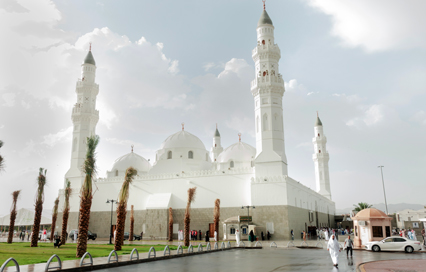
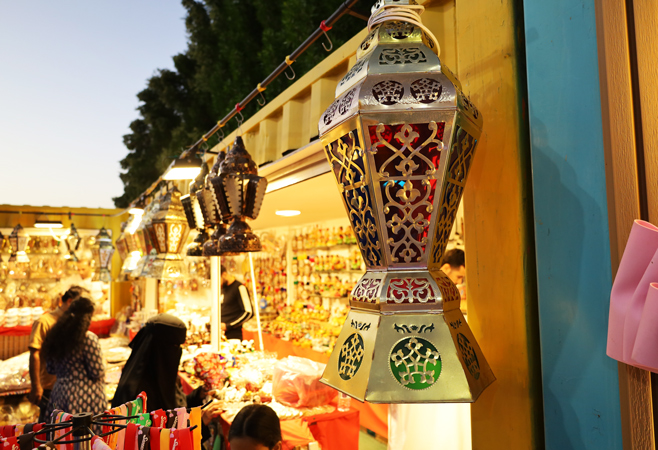 Foreigners are experiencing quieter daytime streets during Ramadan in Saudi Arabia
What is Ramadan & why does it matter in Saudi Arabia
Ramadan is the ninth month of the Islamic lunar calendar and is one of the Five Pillars of Islam: a time of fasting, prayer, reflection, and charity.
In Saudi Arabia — home to Islam’s holiest sites — the month takes on particular national and religious significance. Daily routines, business hours, and social norms shift to reflect a deeper spiritual focus.
For foreign visitors, understanding how life changes during the month is critical.
When is Ramadan in Saudi Arabia?
Ramadan fasting is based on the crescent sighting in Saudi Arabia. The fasting starts the next morning of the evening on which the moon is viewed. The exact dates vary each year as the Islamic calendar is lunar-based.
Expected Ramadan Dates:
- 2025: Expected to begin on the evening of Tuesday, 17 February, with the first full day of fasting on Wednesday, 18 February, and end around Thursday, 19 March.
- 2026: Expected late February to late March.
Why Foreign visitors are expected to follow public etiquette during Ramadan
Saudi Arabia enforces Islamic law (Sharia) as the basis of its legal system, and Ramadan regulations apply to everyone within the Kingdom's borders, regardless of nationality or religion.
The enforcement reflects the Kingdom's position as the heartland of Islam and home to Makkah and Madinah, Islam's two holiest cities.
Ramadan Key Rules & Customs for Foreigners
Here are the most important rules and customs you should follow when in Saudi Arabia during Ramadan:
1. The Rule of Fasting (Sawm)
For Muslims: Fasting is one of the Five Pillars of Islam and is obligatory for all healthy adult Muslims. This means abstaining from food, drink, smoking, and marital relations from dawn (Fajr prayer) until sunset (Maghrib prayer).
For Non-Muslims: Non-Muslims are not required to fast, but they are expected to avoid eating, drinking, or smoking in public out of respect for local customs.
Children, Illness & Non-Fasting Roles
The obligation to fast does not apply to children, travellers (depending on circumstances), the ill, or those with medical conditions. However, the public etiquette rules around meals and drinking still apply to everyone.
2. Dining, Drinking, and Smoking
In Public: Avoid consuming any food or beverages, including water, and smoking in public spaces. This includes on the street, in a car, or in public parks.
In Private: Hotels and many residential compounds will have restaurants and cafes that remain open during the day, often with discreetly covered windows or partitions for privacy. Room service is always available.
Workplaces: Be discreet. Eat and drink in designated private areas, not at your desk in an open-plan office.
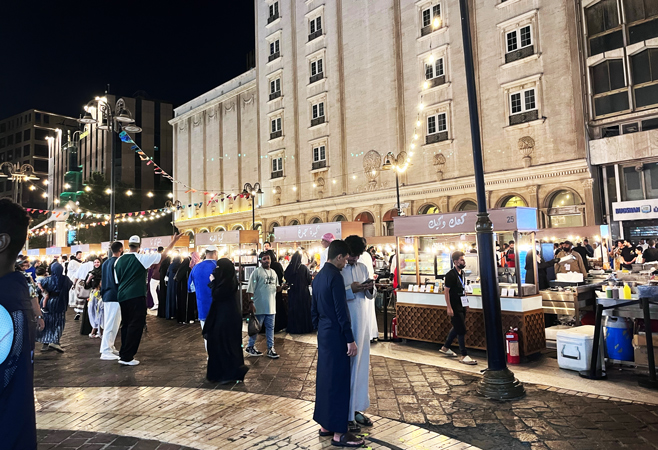 Visitors avoid eating and drinking in public during daylight hours in Ramadan
3. Dress Code and Public Behavior
The general modesty standards in Saudi Arabia are especially important during Ramadan.
Dress Modestly: Though modest clothing is always advised in Saudi Arabia, during Ramadan, the standard is heightened, for both men and women. Covering shoulders and knees, dressing conservatively, and avoiding flashy or revealing attire are recommended.
Respectful Conduct: Public displays of affection are always prohibited and should be strictly avoided. It is also considered respectful to lower your voice and avoid playing loud music in public.
4. Business and Working Hours
Be prepared for a significant shift in daily schedules.
Reduced Hours: Government offices usually operate from around 10:00 AM to 3:00 PM, while private-sector schedules vary but often follow similar shortened hours.
Plan accordingly: Business productivity can slow down, and meetings may be scheduled around prayer times. Patience and flexibility are key.
Many restaurants, cafés, and if you’re travelling during the day, you may find fewer dining options until after sunset (Iftar).
5. The Iftar Meal
Iftar is the meal to break the fast at sunset. It is a significant social and family event.
Participating: If you are invited to an Iftar, it is a great honor. Accept the invitation if possible. It is customary to bring a small gift, like dates or sweets, for your host.
Public Iftars: Many mosques, hotels, and even some public spaces host large charitable Iftar tents (Ma'edat Al-Rahman), where anyone is welcome to join. This is a beautiful way to experience local culture.
6. Prayer Times and The Night Prayers
Increased Devotion: The holy month sees a marked increase in religious observance. The special night prayers, Taraweeh, are held in mosques after the Isha prayer and can last for over an hour.
Planning Movement: Be aware that traffic will be very heavy in the 30-45 minutes leading up to Iftar and again before the Fajr (dawn) prayer. Plan your travel accordingly to avoid delays.
7. Visiting Religious Sites & Participating
If you plan to visit mosques, especially the major ones in Mecca and Medina, you’ll find that prayer times, Taraweeh (night prayers), and Iftar gatherings are often grander and more crowded during Ramadan.
If offered an Iftar invitation by local friends or hosts, it is a generous cultural experience worth accepting — showing respect, curiosity, and appreciation.
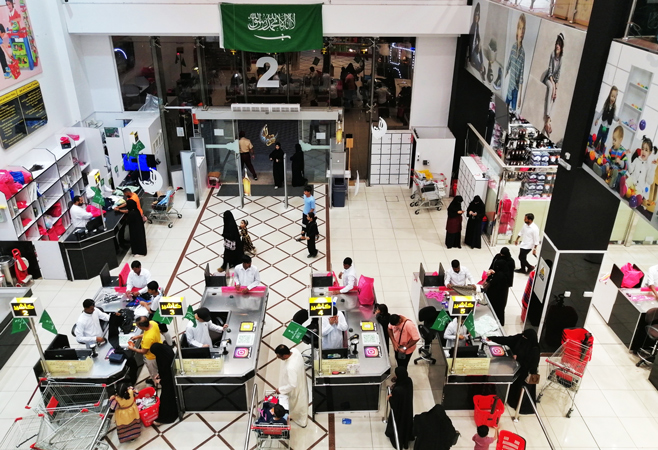 Foreign travelers learning about appropriate public behavior during Ramadan
Penalties for Violations
The Saudi government takes Ramadan violations seriously, and penalties are severe for both Muslims and non-Muslims:
Potential Consequences:
"Non-Muslim residents in the kingdom must not eat or drink in public during Ramadan, in respect to the holiness of Ramadan and the feelings of Muslims," with those who disregard the law subject to "deterrent measures that include terminating their employment contracts and expelling them from the kingdom."
Penalties for eating, drinking, or smoking in public during Ramadan are generally limited to warnings or administrative fines. Deportation or contract termination typically applies only to resident workers who repeatedly violate public etiquette rules. Corporal punishment, including lashes, has been abolished in Saudi Arabia since 2020.
"Those who are caught will be examined and will face legal action commensurate with their violation," with "punishment could be a prison term, or lashes, or both, while foreigners could, in addition, be deported from the kingdom."
Special Considerations for Different Visitor Types
Tourists
Before Traveling:
- Consider whether Ramadan timing suits your travel goals
- Book accommodations, confirming they serve non-fasting guests
- Research hotel policies regarding food service
- Adjust itinerary for reduced daytime business hours
- Understand that some attractions may have modified schedules
During Your Stay:
- Sightseeing: Tourist sites may have altered opening hours. Major sites will generally remain open, but it's best to check specific timings in advance. Visiting hours often shift to later in the evening after Iftar.
- Shopping: Duty-free at arrivals; avoid alcohol/tobacco imports (confiscated). Buy dates (Ajwa variety) for gifting. Malls and shops typically come alive late into the night, often staying open until 2:00 AM or later. This is the prime time for socializing and shopping.
- Transport: Expect traffic surges at Iftar (5–7 PM). Use Uber/Careem or SapTCO buses—fares unchanged.
- Carry water and snacks in your bag for private consumption
- Experience evening festivities and night markets
Tourist Visa Holders: The process for obtaining a Saudi tourist eVisa remains the same during Ramadan. Apply online well in advance of your planned travel dates to ensure a smooth process.
Business Travelers
Professional Considerations:
- Schedule critical meetings for morning hours (9:00 AM - 1:00 PM)
- Be understanding of reduced productivity and energy levels
- Avoid scheduling lunch meetings
- Be flexible with deadlines and timelines
- Respect prayer times in meeting schedules
Umrah and Religious Visitors
Pilgrims During Ramadan: Performing Umrah during Ramadan carries special spiritual significance, with rewards believed to be multiplied. Special considerations:
- Makkah and Madinah see massive crowds during Ramadan
- Book accommodations and transportation well in advance
- Expect extended wait times at holy sites
- Plan for night worship opportunities
- Experience Taraweeh prayers in the holy mosques
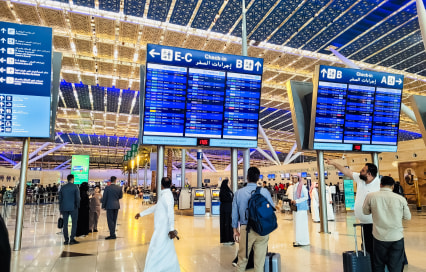
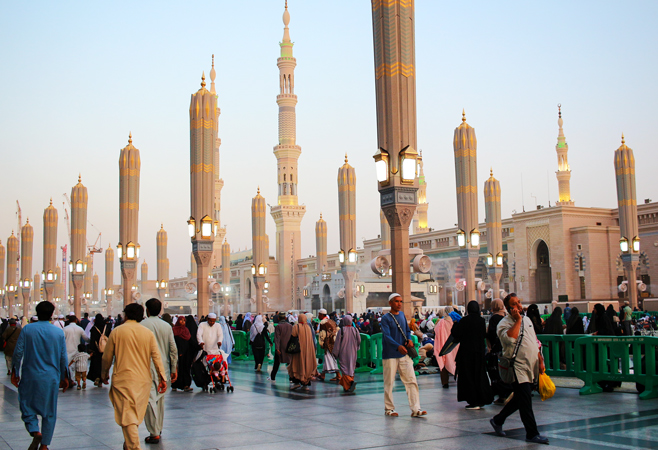 Non-Muslim guests respecting prayer times and cultural norms throughout Ramadan
Health and Safety During Ramadan
Staying Healthy
Hydration:
- Drink plenty of water in private spaces
- Avoid excessive outdoor activity during the hottest hours
- Carry water in your bag for private consumption
- Stay in air-conditioned spaces during peak heat
Heat Precautions:
- When Ramadan falls during the summer months in certain years, temperatures can rise above 45°C (113°F), increasing the risk of dehydration.
- Minimize outdoor exposure between 11 AM - 4 PM
- Wear sun protection even for short outings
- Recognize heat exhaustion symptoms
Emergency Services:
All emergency services operate normally:
Emergency: 911 (police, fire, medical)
Red Crescent: 997
Traffic Police: 993
Common Questions and Misconceptions
Q: Do I have to fast if I'm not Muslim?
A: No, non-Muslims are not required to fast. However, you must refrain from eating, drinking, and smoking in public during daylight hours.
Q: Can I drink water in my car during Ramadan?
A: No, eating, drinking, or smoking in your car during daylight hours is prohibited, as eating or drinking inside your car in public areas may still be viewed as a public act, so it is best to avoid it during daylight hours
Q: What does "Public" mean?
A: "Public" includes:
- Streets, sidewalks, and outdoor public spaces
- Parks and beaches
- Shopping malls and markets
- Inside your car
- Office buildings and workplaces (except designated private areas)
- Public transportation
Q: Will hotels serve me food during the day?
A: Yes, most international hotels provide room service for non-fasting guests. Some hotels also have screened or private dining areas.
Q: Can I brush my teeth during the day?
A: In private spaces (hotel room, private bathroom), yes. Avoid doing so in public restrooms where others can see.
Q: What if I accidentally eat or drink in public?
A: Stop immediately, apologize if confronted, and move to a private area. Claiming accident or ignorance won't prevent penalties if authorities are involved.
Q: Can I chew gum during Ramadan?
A: Do not chew gum in public during daylight hours.
Q: Are gyms and fitness centers open during Ramadan?
A: Many operate with modified hours, typically opening after iftar until late night or early morning. Check specific facility schedules.
Q: Can I swim in hotel pools during the day?
A: Most hotel pools remain open, but check specific policies. Drinking water poolside may be restricted.
Q: Will pharmacies be open during Ramadan?
A: Yes, Pharmacies usually remain open during Ramadan, although some may operate with adjusted hours, though hours may be adjusted.
Q: Can I travel within Saudi Arabia during Ramadan?
A: Yes, travel is permitted and transportation operates normally, though schedules may be adjusted.
Conclusion
Travelling to Saudi Arabia during Ramadan can be a deeply rewarding experience — offering both spiritual ambiance and cultural depth. As a foreign visitor, your awareness of the rules and customs is key to ensuring a respectful, smooth, and memorable trip.
Whether you’re visiting on a tourist visa, business trip, or simply exploring as part of your travel itinerary, understanding Ramadan’s impact on daily life is crucial. Embrace the opportunity for cultural immersion and ensure your travel experience is both respectful and enriching.