What Is the Ziyarat Pilgrimage to Medina? History, Purpose & Tips for Pilgrims
Updated: July 18, 2026
If you're planning to visit Saudi Arabia for Umrah or Hajj, you'll likely hear the term Ziyarat. While it is not a required part of either pilgrimage, Ziyarat is one of the most meaningful experiences for many Muslims visiting the Kingdom.
This guide explains what Ziyarat is, where to go, what to expect, and practical tips for including Ziyarat in your Saudi Arabia itinerary.
What Is Ziyarat in Islam?
Ziyarat refers to visiting places associated with Prophet Muhammad, his family, companions, and significant events in Islamic history. These visits allow pilgrims to deepen their understanding of Islam, reflect on its history, and strengthen their spiritual connection.
What Does Ziyarat Mean?
The Arabic word "Ziyarat" (زيارة) literally means "visit".
In an Islamic context, it refers to visiting places of religious or historical significance, particularly those connected with:
- Prophet Muhammad
- His companions (Sahabah)
- Early Islamic history
- Important mosques
- Historic battle sites
- Islamic cemeteries
Many pilgrims perform Ziyarat after completing Umrah or during their stay before or after Hajj.
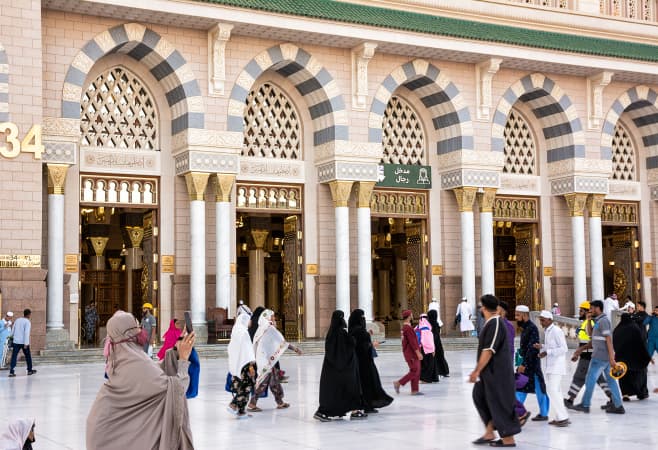 Many pilgrims combine Ziyarat with their Hajj or Umrah journey to experience the rich Islamic heritage of Medina
Is Ziyarat Mandatory?
No. Ziyarat is not an obligation during either Hajj or Umrah. Instead, it is considered a recommended (mustahabb) act that helps Muslims learn more about Islamic history and remember the lives of those who helped spread Islam.
Performing or skipping Ziyarat does not affect the validity of your Hajj or Umrah.
Quick Facts
Meaning | "Visit" in Arabic refers to visiting Islamic historical and religious sites |
| Not a pillar of Islam | Optional and separate from the obligatory rites of Hajj or Umrah |
| Main locations | Medina (Prophet's Mosque, Quba, Uhud, Baqi cemetery) and Mecca (Jabal al-Nour, Jabal Thawr, Mina, Arafat) |
| Who can go | Muslims may visit all Ziyarat sites in Makkah and Madinah. Non-Muslims are not permitted to enter Makkah, while access in Madinah is limited to areas permitted under Saudi regulations. |
| Permit needed | Yes, for the Rawdah inside the Prophet's Mosque — booked through the Nusuk app |
| Best time | October to March for cooler weather; outside Ramadan and Hajj season (roughly June) for smaller crowds |
| Typical duration | Half a day to two full days, depending on how many sites you cover |
Why Do Pilgrims Perform Ziyarat?
Many visitors include Ziyarat in their journey because it offers opportunities to:
- Learn about important events in Islamic history.
- Visit places mentioned in the Seerah (biography of Prophet Muhammad).
- Reflect on the sacrifices made by the Prophet and his companions.
- Offer greetings (Salam) at significant Islamic sites where appropriate.
- Gain a deeper appreciation of the origins of Islam.
Rather than being a sightseeing tour, Ziyarat is generally viewed as an opportunity for reflection and education.
Must-Visit Ziyarat Sites in Saudi Arabia
Key Ziyarat Sites in Mecca (Focus on Early Islam)
Makkah is home to several important sites commonly included in Ziyarat tours.
Jabal al-Nour (Mountain of Light)
This mountain contains the Cave of Hira, where Prophet Muhammad received the first revelation of the Quran.
Although climbing the mountain is optional and physically demanding, many pilgrims visit the area because of its historical significance.
Jabal Thawr
Jabal Thawr is where the Prophet and Abu Bakr sought refuge in a cave during the Hijrah (migration) from Makkah to Madinah.
The cave symbolizes trust in Allah during times of hardship.
Jannat al-Mu'alla Cemetery
This historic cemetery is the burial place of several relatives of the Prophet, including his wife Khadijah (RA).
Visitors come to remember those who played an important role in early Islamic history.
Mina
Known as the "City of Tents," Mina becomes one of the main locations for Hajj rituals each year.
Outside the Hajj season, visitors can still see this remarkable pilgrimage site.
Arafat
The Plain of Arafat is where pilgrims perform the central rite of Hajj on the 9th day of Dhul Hijjah.
Many visitors stop here during Ziyarat tours to learn about its significance.
Muzdalifah
Located between Arafat and Mina, Muzdalifah is another key Hajj site where pilgrims spend the night and collect pebbles for the ritual of stoning the pillars at Mina.
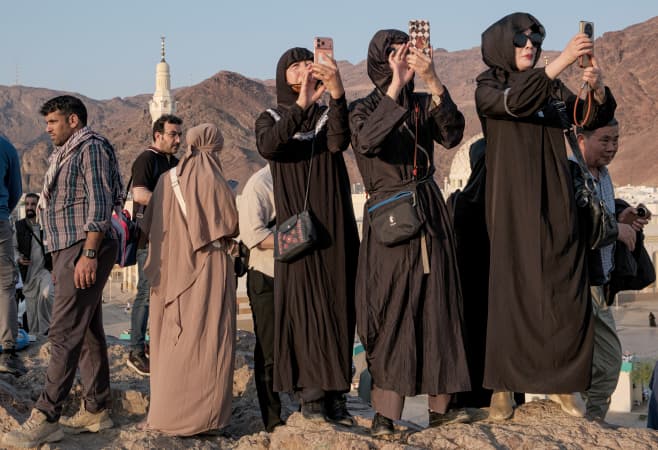 Ziyarat includes visiting significant landmarks in Medina, such as the Prophet's Mosque and other important Islamic heritage sites
Key Ziyarat Sites in Medina (Focus on Community & Growth)
Madinah is often considered the highlight of many Ziyarat journeys because of its close connection to Prophet Muhammad.
Al-Masjid an-Nabawi (The Prophet's Mosque)
The Prophet's Mosque is one of Islam's holiest sites. Visitors come to:
- Perform prayers
- Offer Salam to Prophet Muhammad
- Visit the Rawdah (when permitted and booked through the official system)
For many pilgrims, this is the most spiritually significant part of Ziyarat.
Jannat al-Baqi
Located beside the Prophet's Mosque, Jannat al-Baqi is the oldest Islamic cemetery in Madinah.
Many members of the Prophet's family and companions are buried here.
Quba Mosque
Quba Mosque is recognized as the first mosque established in Islam.
Many pilgrims visit to perform two voluntary rak'ahs of prayer, following the Prophet's practice.
Qiblatain Mosque
This mosque is famous as the place where the direction of prayer (Qiblah) changed from Jerusalem to Makkah.
It remains an important historical landmark for visitors.
Mount Uhud
Mount Uhud was the site of the famous Battle of Uhud.
Nearby, visitors can see the graves of many companions who lost their lives during the battle, including Hamza ibn Abdul Muttalib (RA).
Seven Mosques (Sab'ah Mosques)
These small historic mosques commemorate locations connected with the Battle of the Trench (Ghazwat al-Khandaq).
How Is a Ziyarat Tour Organized?
Most pilgrims join organized Ziyarat tours offered by:
- Hotels
- Umrah travel agencies
- Hajj operators
- Licensed local tour companies
Tours may last:
- 2–6 hours for city highlights
- Half a day
- Full day for more comprehensive itineraries
Transportation is typically provided by air-conditioned buses or minibuses, with a guide explaining the historical significance of each stop.
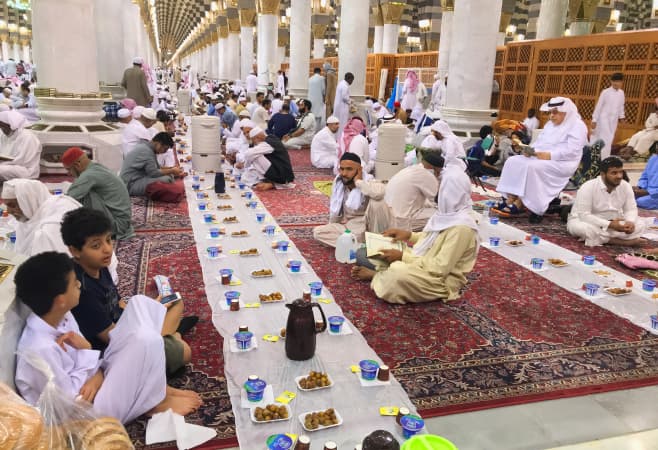 Visitors experience the spiritual atmosphere of Medina as they break their fast together inside Al-Masjid an-Nabawi
Etiquette During Ziyarat
When visiting religious sites in Saudi Arabia, travelers should observe local customs and Islamic etiquette.
Recommended practices include:
- Dress modestly.
- Speak quietly and respectfully.
- Follow instructions from mosque staff and security personnel.
- Avoid blocking walkways or prayer areas.
- Respect photography restrictions where they apply.
- Remember that these are active places of worship, not tourist attractions.
Visitors should avoid practices that conflict with local regulations or Islamic teachings, such as seeking blessings from graves or engaging in actions not supported by authentic religious guidance.
Best Time for Ziyarat
Ziyarat can be performed throughout the year. Many pilgrims choose to visit:
After completing Umrah
Ramadan draws enormous crowds to both cities for its own spiritual reasons, which makes for a powerful atmosphere but very long queues at popular ziyarat sites.
Before or after Hajj
The weeks around Hajj (which shifts earlier by about 10–11 days each year on the Gregorian calendar) bring the highest crowd levels of the year to Mecca specifically. If ziyarat is your main goal rather than Hajj itself, avoid that window.
Best month for Ziyarat
October through March is the most comfortable window weather-wise, with daytime temperatures that make the outdoor sites — especially the mountain climbs — more comfortable for outdoor visits.
Best time of the day
Morning and late afternoon are generally the most pleasant times for outdoor visits, particularly during the summer.
Getting There and Getting Around
Most ziyarat trips start with a flight into either Jeddah (for Mecca) or Prince Mohammad Bin Abdulaziz International Airport in Medina, followed by the high-speed Haramain Railway, which connects Mecca, Medina, and Jeddah and cuts what used to be a multi-hour drive down to under two and a half hours.
Within each city, ziyarat sites are spread out enough that walking between all of them isn't practical — Uhud and Quba, for example, sit well outside Medina's center. Most visitors either book a Ziyarat taxi or tour package, which bundles transport between sites with a driver or guide who explains the history at each stop, or arrange a private car for a half-day loop.
Independent travel by rental car is possible but less common, since most visitors are moving in and out of the same few dense areas near each mosque.
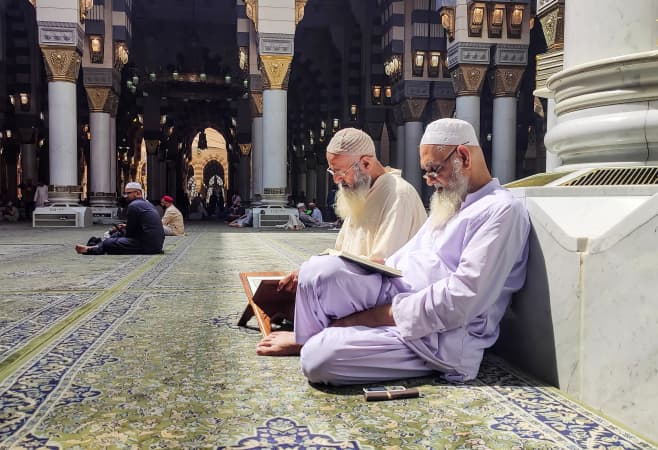 Ziyarat to Medina is a voluntary pilgrimage that enriches the spiritual experience of many Muslims after Umrah or Hajj
Ziyarat vs. Hajj vs. Umrah — What's the Difference?
This trips people up constantly, so it's worth being precise.
- Hajj is the annual pilgrimage, obligatory once in a lifetime for able Muslims, performed during a specific window in the Islamic calendar with a fixed sequence of rites at Mecca, Mina, Arafat, and Muzdalifah.
- Umrah is a shorter pilgrimage centered on the Grand Mosque in Mecca — circling the Kaaba, walking between Safa and Marwah — that can be done any time of year and isn't obligatory.
- Ziyarat sits outside both. It's not a ritual with required steps; it's visiting places of historical and spiritual significance. Someone might do ziyarat as an extension of Hajj or Umrah, tacking on a few days in Medina afterward, or as a standalone visit on its own. The two aren't mutually exclusive — most pilgrims doing Umrah build ziyarat days into the same trip.
How to Prepare for a Ziyarat Visit
To make the most of your Ziyarat experience, prepare in advance and observe the etiquette expected at Saudi Arabia's religious sites.
Dress modestly in accordance with local customs. Women should carry a headscarf, as it may be required when entering certain religious sites.
Maintain respectful behavior by speaking quietly, avoiding unnecessary photography, and remembering that these are places of worship and reflection rather than tourist attractions.
Respect cemetery etiquette. At sites such as Jannat al-Baqi and Jannat al-Mu'alla, visitors should avoid touching or leaning on graves and simply offer prayers or greetings in accordance with Islamic tradition.
Follow instructions from mosque staff and security personnel, particularly at busy locations such as the Rawdah, where visitor access is carefully managed.
Plan your visit carefully. Check opening hours, transportation options, and expected crowd levels, especially during Ramadan, Hajj, and peak Umrah seasons.
Prepare for the weather. Many historic sites, including Jabal al-Nour, Jabal Thawr, and Mount Uhud, involve outdoor walking with limited shade. Wear comfortable shoes, carry drinking water, and use sun protection, particularly during the warmer months.
Why Ziyarat Is an Important Part of a Saudi Arabia Journey
Although Ziyarat is not a required ritual of Hajj or Umrah, it enriches the pilgrimage by connecting visitors with the places where key events in Islamic history unfolded. Visiting these sites helps pilgrims better understand the Prophet's life, the development of Islam, and the significance of Makkah and Madinah beyond the core pilgrimage rites.
For many travelers, Ziyarat becomes one of the most memorable and spiritually rewarding parts of their journey to Saudi Arabia.
Frequently Asked Questions About Ziyarat in Saudi Arabia
What is the meaning of Ziyarat?
Ziyarat is an Arabic word meaning "visit." In Islam, it usually refers to visiting places of religious or historical significance associated with Prophet Muhammad (ﷺ), his companions, and important events in Islamic history.
Is ziyarat the same as Hajj or Umrah?
No, ziyarat is not the same as Hajj or Umrah. It is a broader term for visiting holy sites, while Hajj and Umrah are specific pilgrimages.
Is ziyarat mandatory for Muslims?
No. It's not one of the five pillars of Islam and carries no religious obligation. Many pilgrims choose to participate because it offers valuable historical and spiritual insights.
Can I do ziyarat without doing Umrah or Hajj?
Yes. Many Muslims visit Medina and Mecca specifically for ziyarat on a tourist e-visa, without performing the rites of Umrah. That said, most travelers who are already there for Umrah build ziyarat days into the same trip since the sites are close by.
What are the most popular Ziyarat places in Madinah?
The most frequently visited sites include Al-Masjid an-Nabawi, Jannat al-Baqi, Quba Mosque, Qiblatain Mosque, Mount Uhud, and the Seven Mosques.
How long does a Ziyarat tour take?
A focused visit to the main Medina sites (Prophet's Mosque, Quba, Uhud, Baqi) can be done in a single, fairly full day with a tour or private driver. Adding Mecca's sites — particularly the Jabal al-Nour and Jabal Thawr climbs — typically adds another full day or two.
Can Non-Muslims Join Ziyarat?
Most Ziyarat locations in Makkah remain accessible only to Muslims, as entry to the holy city is restricted.
In Madinah, non-Muslims may visit certain parts of the city, but access to religious areas such as the Prophet's Mosque is subject to Saudi regulations. Travelers should always respect local rules and any access restrictions in place.
Can travelers do ziyarat in Saudi Arabia?
Yes, many travelers visit sacred places in Saudi Arabia as part of religious travel, but they should follow local customs and site rules.
Should I book a Ziyarat tour in advance?
Booking in advance is recommended during peak seasons such as Ramadan, Hajj, and school holidays, as tours can fill up quickly. Outside these periods, many hotels and local operators can arrange tours on short notice.
What should I wear for ziyarat?
Modest, loose-fitting clothing throughout. Women should carry a headscarf even for outdoor sites like Uhud or Jabal al-Nour, not just inside the mosques.